
sydney complementary health
sydney nsw 2000
Remedial Massage Sydney CBD
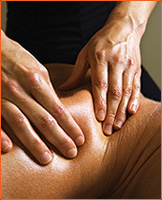
What is remedial massage?
Remedial massage is the manipulation of soft tissues (muscle, tendons and ligaments) to relieve tension, soreness and allow structures to resume their correct position. It also aids circulation and can help reduce stress levels. While there are many different forms of massage throughout the world, remedial massage involves the purposeful movement of varying layers of tissue at different depths to achieve a maximum release of tension.
Who can benefit from remedial massage?
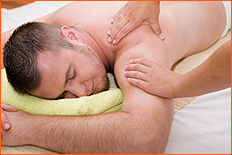 Remedial massage is generally safe and effective for most people. Massage helps to relieve tight, short muscles, so is great for office workers with aches and pains as the result of poor ergonomics or a sedentary lifestyle. Sports people can benefit during training and both before and after events. Strains and spasms can be eased, scar tissue can be broken down and muscles returned to their proper length for maximum strength, flexibility and endurance.
Who cannot be treated?
While safe for most cases, there are some instances in which massage is not appropriate. Inflammatory conditions are a general contra-indication to massage. Acute injuries or areas that are hot, swollen or red are generally best left alone until the inflammatory stage has passed, and then massage can assist in injury recovery. It must be remembered that massage is, itself, an inflammatory process. Colds, ‘flu’s and internal infections are also contra-indications as massage stimulates the lymphatics to flow and can spread and worsen these infections. Anyone with a deep vein thrombosis or a cancer diagnosis should have a clearance from their GP or specialist before treatment and pregnant women should advise their therapist before treatment commences. People with the above conditions can use Bowen Technique to safely treat their presenting symptoms.
What to expect during a massage session?
Treatments can be booked in 30, 45, 60 or 90 minute sessions. Generally, a half hour is enough to work on a single problem area, such as neck and shoulders. If it is the lower back, it is advisable to book for 45 minutes to allow time to cover the back and upper legs, to eliminate all contributing tensions. A full body runs for 60 to 90 minutes. A little time is taken at the start of a session to take a history and perhaps conduct some testing or perform some observations. This is followed by the massage itself and perhaps some stretching, with appropriate stretches being demonstrated at the end of the session. Treatments are performed on a table with oils to avoid irritation to the skin. Melrose H2Oil, a low allergy, water soluble oil is used, which washes out easily and generally soaks into the skin by the end of the treatment. Golden Jojoba is used for those with a nut allergy. The massage itself can sometimes be painful as scar tissue breaks down and spasm releases, but at the end of a session, the body should feel relaxed and freer, if a little tender.
How often should I have remedial massage?
A fresh spasm or strain can often resolve in one or two treatments, but long standing tensions, or tensions that have built over a long period can require a short series of treatments to help the body “forget” to hold the tension. These often start weekly and gradually increase in interval until a maintenance stage is reached. Most people can benefit from regular bodywork, to take care of tension before it becomes painful or problematic and to increase circulation and freedom of movement. Once a month is a good interval for most people, although this will depend on stress levels and your exercise regime.
What about rebates?
Rebates are available for most funds that pay for remedial massage. Check with your fund to find the exact rebate. If your fund provides rebates for massage via HICAPS, you may be able to claim on the spot.
http://www.hicaps.com.au/vgnmedia/downld/HICAPS_Massage.pdf
massage sydney - sydney massage - remedial massage sydney - sydney remedial massage - sports massage sydney - sydney sports massage - remedial massage - massage - sports massage